What is GABA tea
An oxygen-free process lets the leaf build GABA naturally
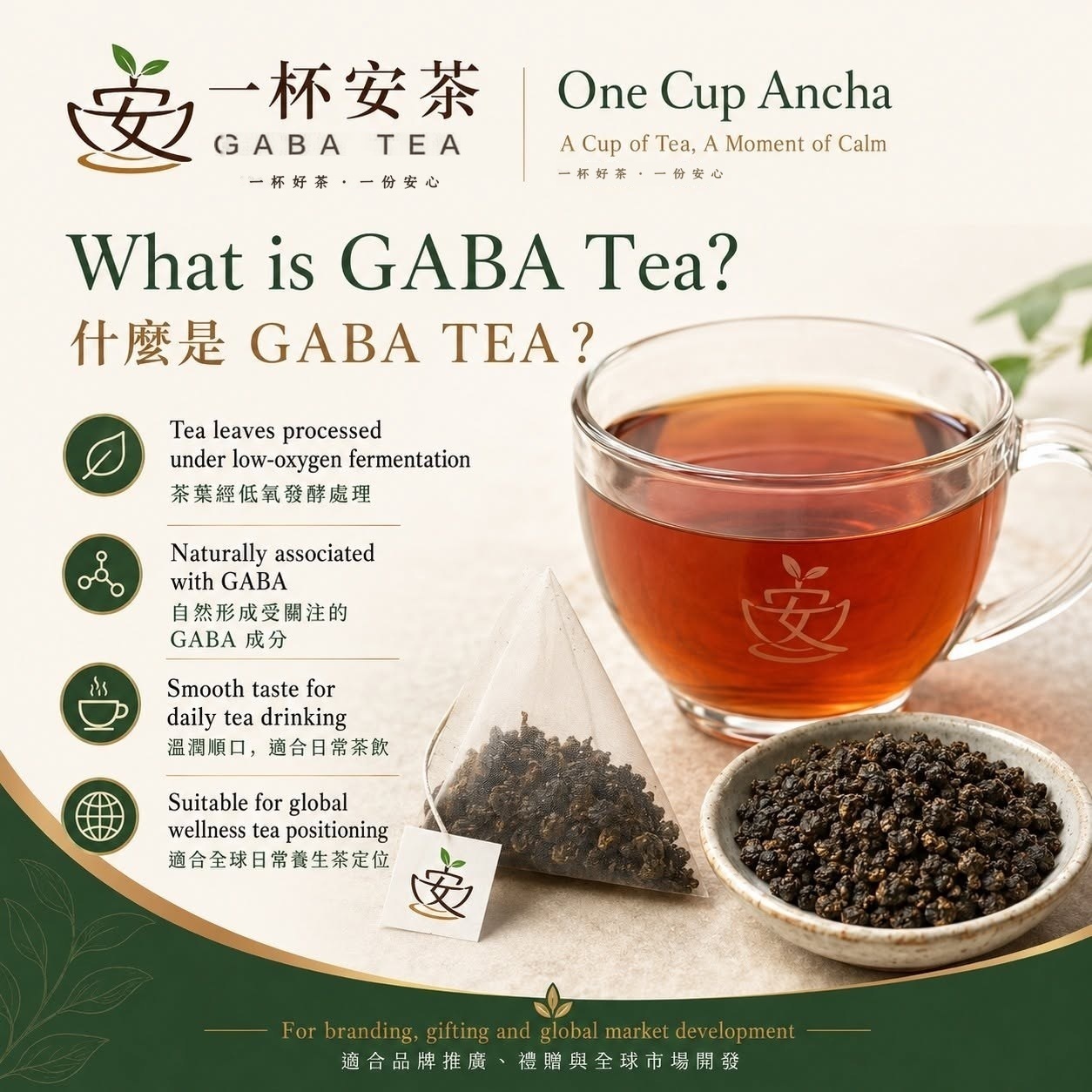
GABA tea, also called Gabaron tea, is defined by its process: fresh leaves rest for a time in a nitrogen-filled or vacuum, oxygen-free environment, where the oxygen-deprived leaves transform and naturally accumulate a higher level of γ-aminobutyric acid (GABA), before finishing through the usual tea-making steps.
GABA (γ-aminobutyric acid) is an amino acid that occurs naturally in the body, and a neurotransmitter in the nervous system. Ordinary tea leaves already contain trace GABA; the oxygen-free process above raises that level markedly — and that is where the name comes from.
This is not a tea in a hurry; from process to flavour, it's all about waiting.
Origin
GABA tea's method traces back to Japanese tea research in the 1980s, when researchers found that leaves resting in an oxygen-free environment accumulate GABA. The approach was later adopted and developed by Taiwan's tea industry into a GABA tea with local terroir.
Content standard
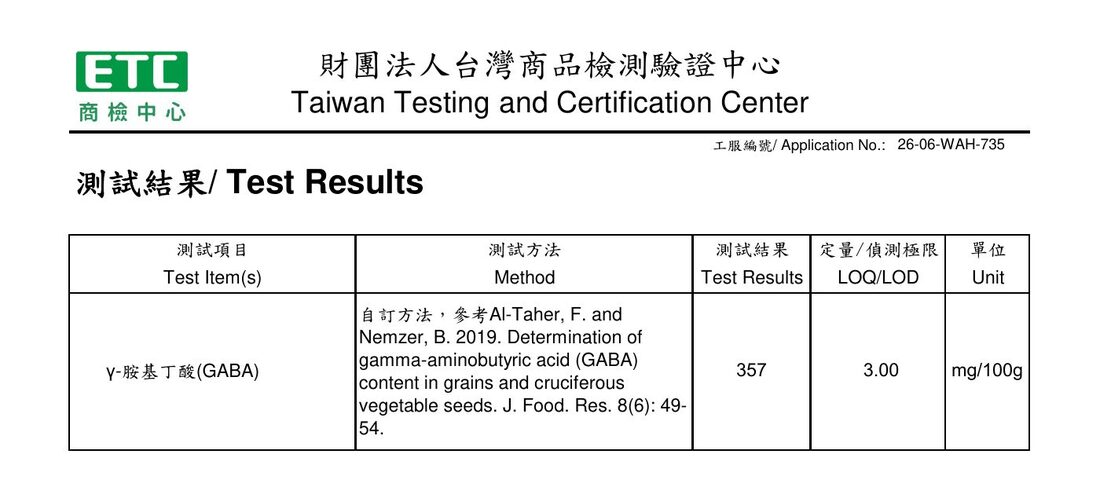
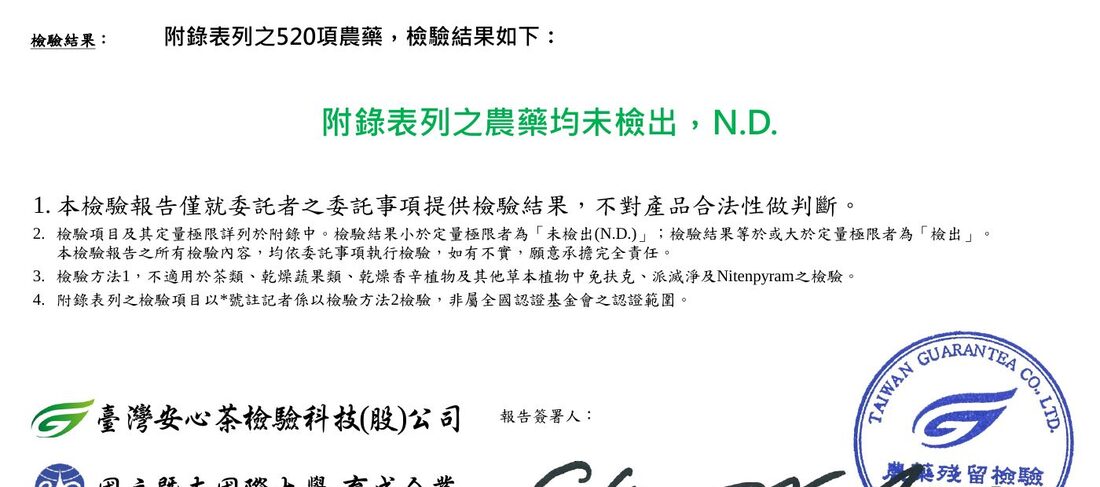
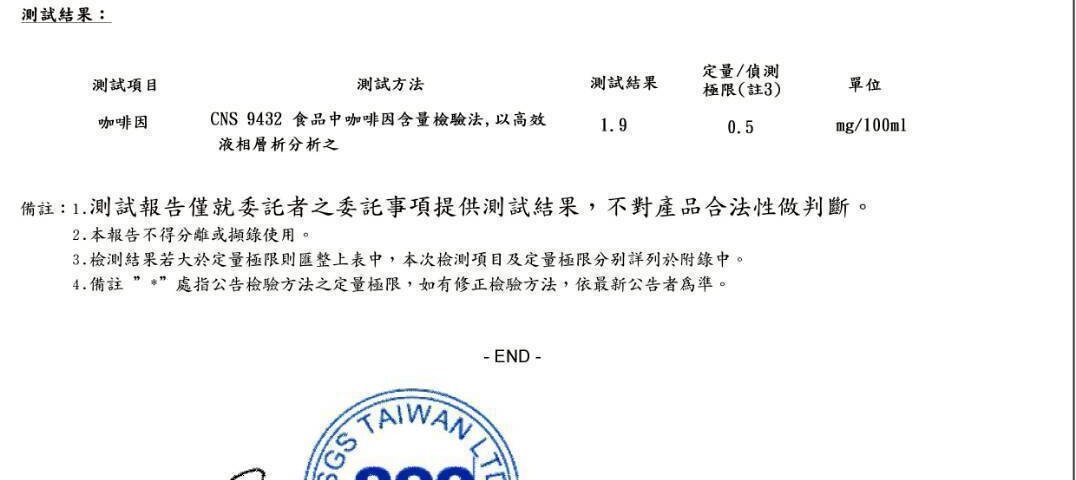
The industry commonly takes "at least 150 mg of GABA per 100 g of tea" as a reference standard for GABA tea; actual content varies by cultivar, process and batch. For the batch submitted for testing, the Taiwan Testing and Certification Center (ETC) measured 357 mg of GABA per 100 g (application no. 26-06-WAH-735, issued 29 June 2026); the batch also passed a 520-item pesticide-residue screen with none detected (N.D.). Results apply only to the samples tested and may vary between batches. Full reports can be opened below under "Test Reports".